Deadheading Flowers: How to Keep Them Blooming All Season
Quick Care Summary
A flower’s job is to make seeds. Once seeds form, the plant’s reason to keep blooming evaporates. Deadheading — cutting off spent blooms before seeds set — tricks the plant into trying again. Most annuals double their bloom period under regular deadheading; many perennials produce a second flush they wouldn’t otherwise. The work takes minutes a week. The payoff lasts months.
Plants that respond well
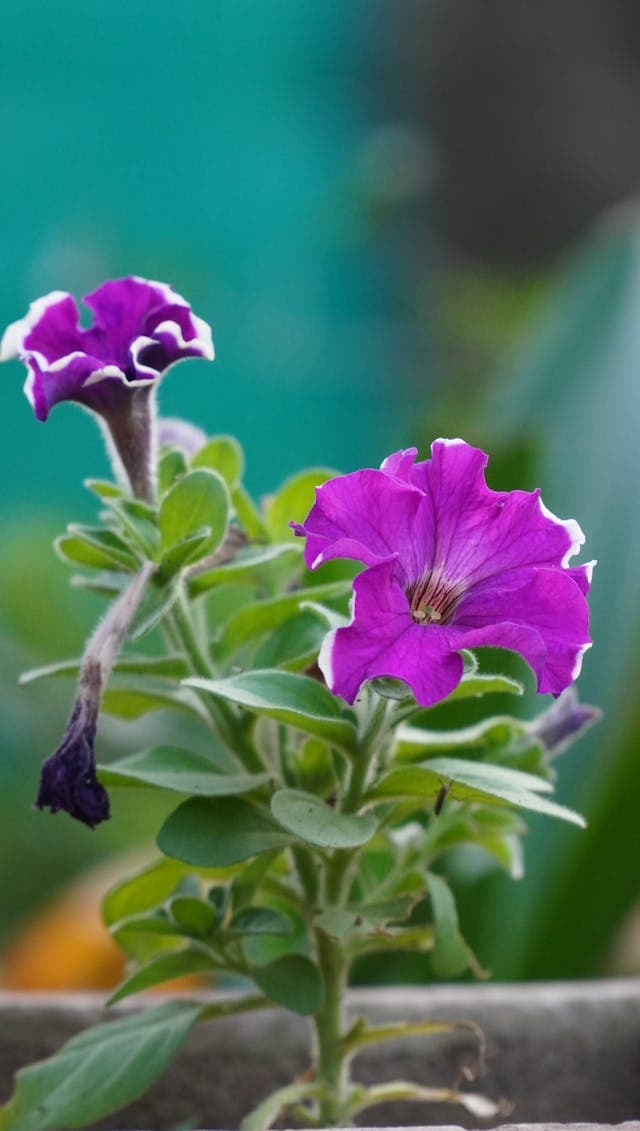
- Annuals: Petunias, marigolds, zinnias, snapdragons, calibrachoa, geraniums, cosmos, calendula, bachelor buttons. Deadheading is the difference between blooms in June and blooms until frost.
- Repeat-blooming perennials: Daylilies, salvia, coreopsis, blanket flower (gaillardia), penstemon, rudbeckia, yarrow, Shasta daisies. A second flush is usually possible.
- Roses: Most modern repeat-blooming varieties — deadhead to a five-leaflet leaf for next bloom set.
Plants to leave alone
- Echinacea (purple coneflower) and rudbeckia: The seed heads are winter food for goldfinches and chickadees. Leave them up until early spring.
- Milkweed: The seed pods feed butterflies and the seeds spread the plants. Deadheading defeats the point.
- Sedum and ornamental grasses: The dried flower heads add winter structure to the garden. Cut down in spring, not fall.
- Single-bloom perennials: Peonies, oriental poppies, lupines, irises — one flush per season. Deadheading cleans up the look but won’t make them bloom again.
- Self-seeders you want to spread: Calendula, cleome, larkspur, love-in-a-mist, columbine. Let some go to seed for next year’s plants.
How to deadhead
Three styles of cut, depending on the plant:
- Pinch off: For petunias, marigolds, zinnias — pinch the spent flower with your thumbnail just below the bloom, where the stem joins. No tools needed.
- Cut to a node: For longer-stem flowers like roses or salvia — cut down to the next set of healthy leaves or a side-bud. The plant breaks new growth from there.
- Shear back: For mass-flowering plants like alyssum, lobelia, or geraniums after their first flush — shear the whole plant back by a third with hedge shears. Looks rough for a week, then explodes back into bloom.
Frequency
A weekly walk through the flower bed with a pair of pruners covers most of the work. Catch flowers as they fade rather than letting them seed. For petunias and similar high-volume bloomers, every 3–4 days keeps them tidy and productive.
When to stop
For repeat-blooming perennials, stop deadheading by mid-September. The plant needs to set seed and shut down for winter; pushing late blooms produces soft growth that won’t harden off before frost.
For annuals in Alberta, just keep going until frost ends the season. They were going to die anyway — might as well take every flower they have to give.
Found this useful? Share it with someone who'd enjoy it.
Want to learn more?
Explore more plant care guides or find a nursery near you.
More plant care guides
Newsletter — early list
Get on the early list
We're putting together a slow, seasonal newsletter for prairie plant lovers. Drop your email and we'll send the first issue when it goes out. No filler, easy out.
Get on the list