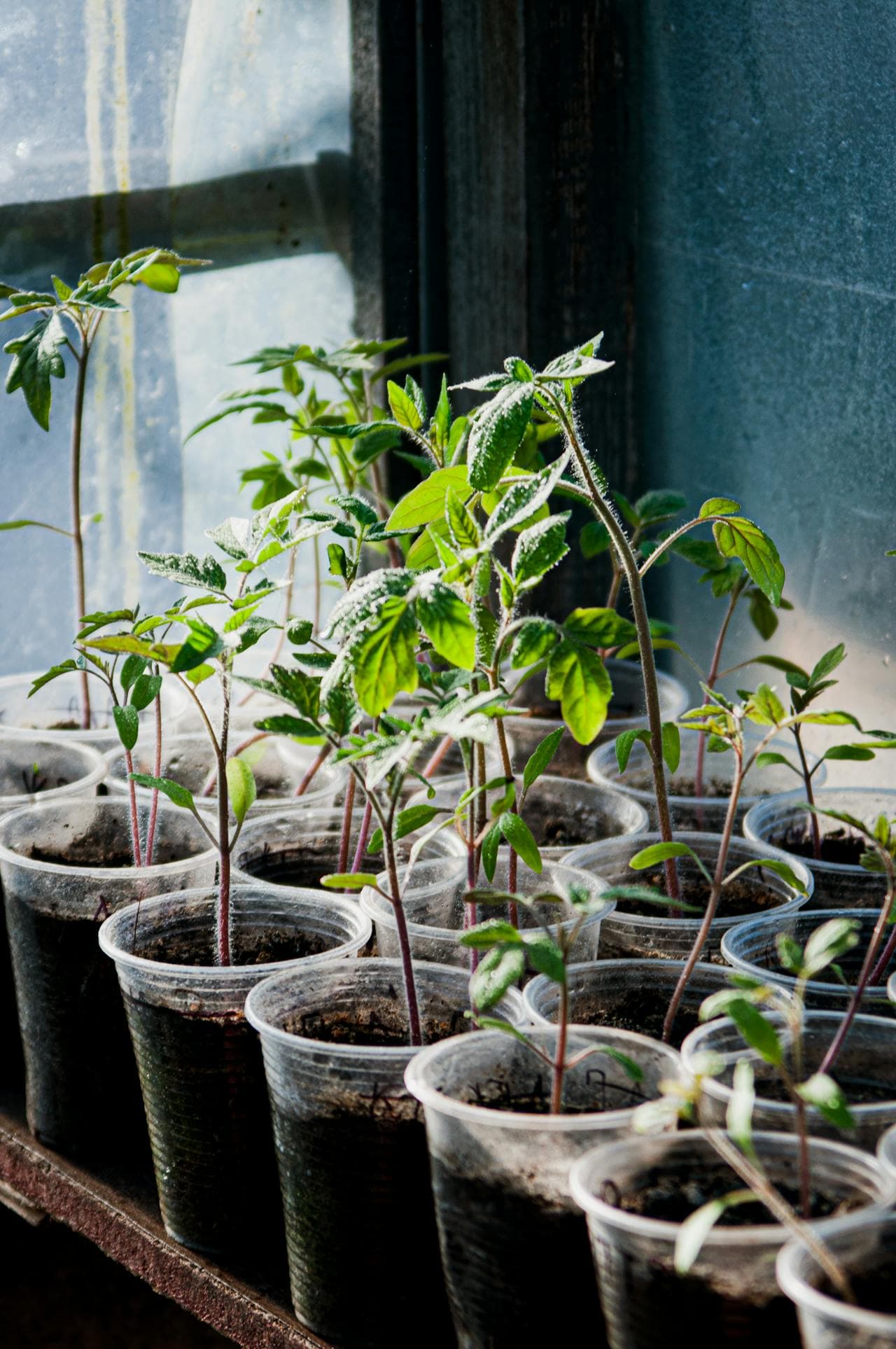
Hardening Off Transplants: Don't Skip This Step
Quick Care Summary
A seedling raised indoors has spent its entire life in still air, even temperatures, and filtered light. Take it straight outside on a sunny May afternoon and within hours the leaves are scorched, the stem is whipping in the wind, and what looked like a robust plant is suddenly half-dead. Hardening off is the bridge between greenhouse and garden, and skipping it is the most common reason home transplants fail.
What hardening off actually does
Indoor seedlings have thin cuticles (the waxy outer leaf layer that resists water loss), soft cell walls, and root systems that have never had to brace against wind. Stepping them outside gradually triggers physical changes: the cuticle thickens, stems put on supportive tissue, and roots grip the medium more tightly. The result is a plant that can handle real weather without collapsing.
The process takes seven to ten days. Faster than that and the seedling can’t adapt; slower wastes time the plant could be using to actually grow.
The 7-day schedule
Start a week to ten days before your planned transplant date. Pick a sheltered spot — against an east or north wall is ideal. Avoid south-facing pavement (cooks them) and exposed lawn (wind tunnel).
- Day 1: 1 hour outdoors in dappled shade. No direct sun. Bring in.
- Day 2: 2 hours in dappled shade. Still no direct sun.
- Day 3: 3 hours, with 1 hour of gentle morning sun.
- Day 4: 4 hours, including 2 hours of morning sun.
- Day 5: 6 hours, half in sun. First time leaving them while you go to work is fine if conditions are mild.
- Day 6: 8 hours outside. Full morning + afternoon sun, sheltered from wind.
- Day 7: All day outside. Bring in only if temps drop below 5°C overnight.
- Day 8–10: Leave outside day and night unless frost is forecast. Plants are now ready to transplant.
What to watch for during the ramp
- Wilting in the afternoon. Normal on day 1–2. If still wilting on day 4, you’re moving too fast — back off a day.
- Pale or bleached patches on leaves. Sunburn. Move back to deeper shade for the next session.
- Stems flopping. Wind damage. Add a windbreak (cardboard, lawn chair, board on edge) for a few more days.
- Frost forecast. Bring everything inside, no exceptions. One frost can undo a week of work.
- Hailstorm forecast. Same — bring them in or cover with a milk crate / bin.
Cold-hardy vs tender plants
Brassicas (cabbage, broccoli, kale), peas, lettuce, pansies, and snapdragons can start hardening off when daytime temps reach 5–10°C and tolerate light frost during the ramp. They’ll go into the ground 2–3 weeks before your last frost date.
Tomatoes, peppers, basil, cucumbers, squash, and most annual flowers are frost-tender. Wait until daytime temps are reliably 12°C+ to start hardening off, and don’t transplant until after your last frost date (mid- to late May for most of Alberta).
The shortcut: a cold frame
A cold frame collapses the schedule. Plants can move from indoor lights into the cold frame and stay there full-time — the lid does the daily ramp for you. Open it more each day, then leave the lid off entirely for the last two or three days before transplant.
Transplant day
Choose an overcast morning or a still evening. Avoid sunny windy afternoons — transplant shock is worst when the plant has to deal with both root disturbance and high water demand at the same time. Water transplants in well, and shade them for the first 2–3 days with row cover, an upturned box, or a light layer of straw if the forecast turns hot.
Found this useful? Share it with someone who'd enjoy it.
Want to learn more?
Explore more plant care guides or find a nursery near you.
More plant care guides
Newsletter — early list
Get on the early list
We're putting together a slow, seasonal newsletter for prairie plant lovers. Drop your email and we'll send the first issue when it goes out. No filler, easy out.
Get on the list