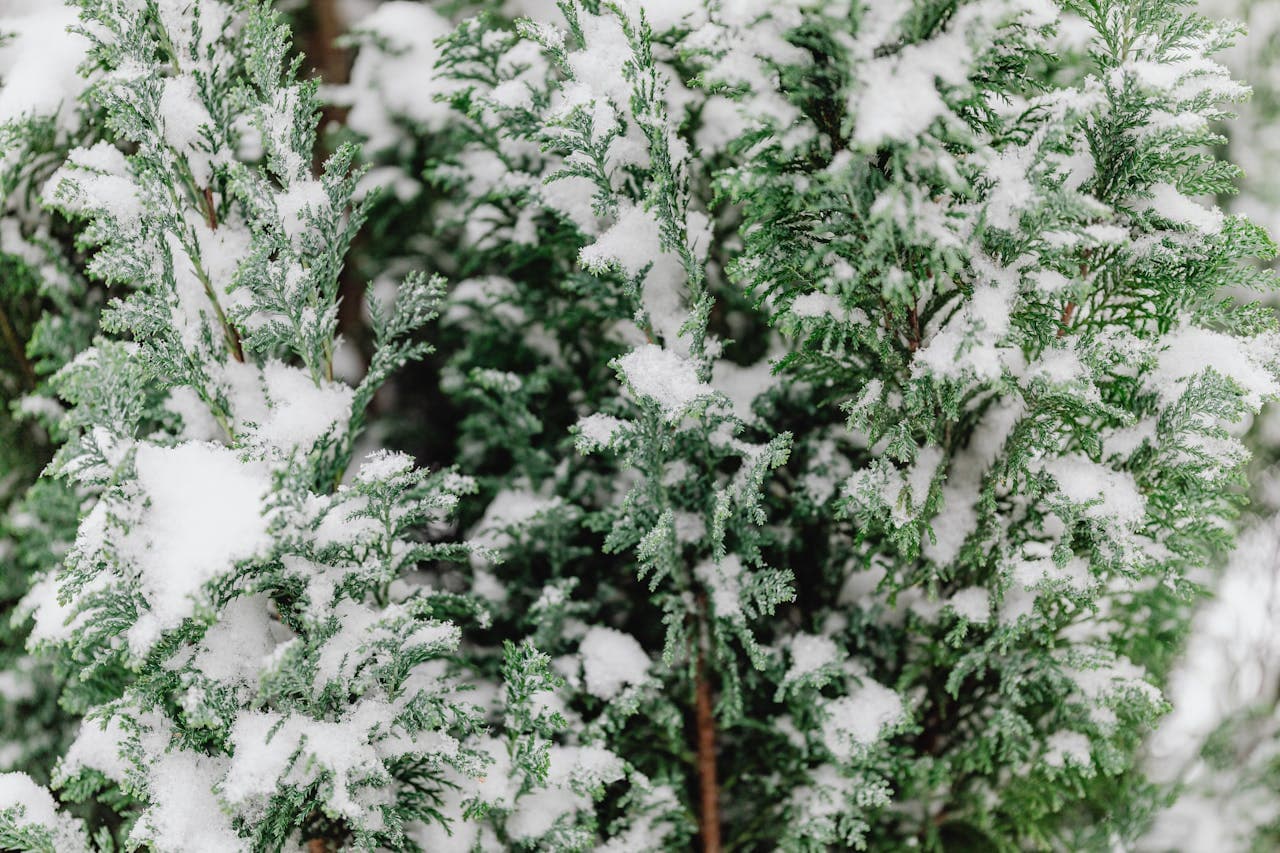
Alberta Plants That Survive Winter: A Hardy Garden Guide
Most gardening advice was not written for Alberta. National garden magazines feature lavenderhedges, Japanese maples, and English roses that would not survive a single January here. Even the plant tags at big-box garden centres often label things as "hardy" based on USDA zones that ignore prairie wind, late spring frosts, and chinook freeze-thaw cycles.
If you garden anywhere from Lethbridge to High Level, the question is not "what is hardy in Canada?" It is the much narrower question of what actually survives an Alberta winter, year after year, in your specific yard. This guide covers what hardiness really means in Alberta, the plants that have already proven themselves here, and what to plant if you want a garden that comes back stronger every spring instead of dying in February.
What Counts as "Winter Hardy" in Alberta?
Alberta's Hardiness Zones
Most of Alberta falls between Canadian hardiness zones 2a and 4a. Edmonton sits at roughly Zone 3b, Calgary at Zone 4a (warmer than people expect, thanks to chinooks), Lethbridge at 4b, and large parts of the north at 2b or colder. The Canadian zone system is similar to the USDA system but factors in extras like snow cover, summer rainfall, and wind, which matter enormously here.
A plant rated to Zone 3 should tolerate winter lows around -40°C. A plant rated to Zone 5 will probably die its first winter in Edmonton or Red Deer, no matter how good the tag looks.
Why "Hardy" Tags Are Not Enough
Alberta winters do not just get cold. They do three other things that kill plants:
- Chinook freeze-thaw cycles. In southern Alberta, the temperature can swing from -25°C to +10°C and back in 48 hours. Plants that handle steady cold often cannot handle this thaw-freeze pattern, which kills crowns and roots.
- Drying winds. January wind on the open prairie can desiccate evergreens and shrub bark faster than the cold can damage them. Many "Zone 3 hardy" plants die from winter wind burn, not from temperature.
- Late spring frosts. Hard frosts in late May or early June regularly hit Alberta gardens and damage anything that broke dormancy too early.
A plant that truly survives an Alberta winter has to handle all four pressures, not just cold.
Native Alberta Plants That Survive Winter Every Time
Native plants are the safest bet. They evolved in this exact climate, with these exact pressures, over thousands of years. The plants below are some of the most reliable native species for Alberta gardens. For a wider list, see our Alberta native plants guide.
Wild Rose (Rosa acicularis)
Alberta's provincial flower is also one of the toughest shrubs in the province. The prickly rose tolerates Zone 2, dry sites, partial shade, chinook cycles, and almost any soil that drains. It produces pink summer blooms and red rose hips that feed birds well into February.
A small wild rose in a Calgary or Edmonton yard will spread by suckers over five to ten years into a dense, knee-high to chest-high thicket. Plant it where you do not mind it travelling.
Saskatoon Berry (Amelanchier alnifolia)
The saskatoon is a Zone 2 shrub that handles full Alberta winters with zero protection. It produces white spring flowers, edible purple berries in late June, and brilliant orange-red fall colour. Mature plants reach 2 to 4 metres and live for decades.
Saskatoons handle dry sites, prairie wind, late frosts, and chinook swings without losing flower buds. They are arguably the single best multi-purpose native shrub for Alberta yards. See our saskatoon berry harvest guide.
Buffalo Berry (Shepherdia canadensis and S. argentea)
Buffalo berry is so well adapted to dry prairie conditions that it actively dislikes rich, irrigated garden soil. Both species fix nitrogen, survive Zone 2 winters, and produce red or orange berries that birds eat through fall and early winter.
This is an excellent shrub for tough corners of an Alberta yard: south-facing dry strips, gravelly slopes, or windbreak edges.
Prairie Crocus (Pulsatilla nuttalliana)
The prairie crocus is the first wildflower to bloom in Alberta most years, often pushing through patchy snow in late March or early April. It is rated to Zone 2 and tolerates dry, gravelly, low-nutrient soil better than rich garden beds. Once established, it lives for decades. See our prairie crocus guide.
Common Yarrow (Achillea millefolium)
Yarrow is a tough, drought-tolerant perennial that survives Zone 2 winters and dies back fully each fall. It returns reliably in May, blooms from June through August, and tolerates poor soil, full sun, and prairie wind. The native form has white flowers; cultivated varieties offer yellow, pink, and red.
Native Asters and Other Perennials
Native asters (smooth aster, showy aster) provide late summer and fall colour long after most perennials have finished. Both species are Zone 2 hardy, tolerate dry sites, and support late-season pollinators. Three more native perennials worth knowing:
- Northern bedstraw (Galium boreale): Zone 2, white June bloom, tolerates partial shade.
- Wild bergamot (Monarda fistulosa): Zone 3, lavender July bloom, drought tolerant, beloved by bees.
- Blanket flower (Gaillardia aristata): Zone 3, orange and red blooms June through September, thrives on full sun and poor soil.
All three survive Alberta winters reliably and add long flowering seasons to a native garden.
Cultivated Plants That Reliably Survive Alberta Winters
You do not have to plant only natives to get a hardy garden. Some non-native cultivated plants have decades of proven performance in Alberta. The list below is conservative: every plant here has been growing reliably in Edmonton, Calgary, and Red Deer gardens for at least one generation.
Shrubs
- Lilac (Syringa vulgaris and Preston hybrids). Zone 2, blooms May to June, almost indestructible once established.
- Caragana (Caragana arborescens). Zone 2, drought tolerant, common as windbreak.
- Potentilla (Dasiphora fruticosa). Zone 2, blooms all summer, tolerates poor soil and wind.
- Dogwood (Cornus sericea). Zone 2, red winter stems, prefers moist sites.
- Paniculata hydrangeas. Zone 3, blooms reliably; avoid macrophylla types, which die back.
Perennials
- Peonies (Paeonia lactiflora). Zone 3, can live a hundred years in the same Alberta garden.
- Daylilies (Hemerocallis). Zone 3, tolerate clay, drought, neglect, and chinook cycles.
- Siberian iris (Iris sibirica). Zone 3, prefers slightly moist soil.
- Coneflowers (Echinacea purpurea). Zone 3 with mulch; some cultivars are less reliable than the species.
- Sedum 'Autumn Joy'. Zone 3, drought tolerant, blooms late summer into fall.
- Hosta. Zone 3 to 4, prefer shade, tolerate Alberta winters when planted in spots that hold snow.
Trees
- Bur oak (Quercus macrocarpa). Zone 2, native, very long-lived, deep tap root.
- Trembling aspen (Populus tremuloides). Zone 1, native, spreads quickly.
- Paper birch (Betula papyrifera). Zone 2, native, needs adequate moisture.
- Manchurian ash (Fraxinus mandshurica). Zone 2, increasingly planted as a green ash replacement after emerald ash borer concerns.
- 'Brandon' or 'Sutherland' elm. Zone 2 to 3, Alberta-bred, hardier than Siberian elm.
For gardeners closer to Edmonton, our Edmonton native plant zone guide covers more local specifics.
Plants That Often Fail in Alberta (and Why)
Some plants sold at Alberta garden centres are not realistically hardy here. They survive their first growing season because they were greenhouse-grown, then die the first or second winter. Common offenders include:
- Japanese maples (Acer palmatum). Zone 5 to 7. Will not survive an Alberta winter, even in sheltered Calgary microclimates.
- English boxwood (Buxus sempervirens). Zone 5. Korean boxwood (B. microphylla 'Green Velvet' or 'Green Gem') is borderline Zone 4 and sometimes survives.
- Bigleaf hydrangea (Hydrangea macrophylla). Zone 5. The flower buds form on old wood that freezes off every Alberta winter, so they almost never bloom even when the roots survive.
- Most hybrid tea roses. Zone 5 to 6. Try Explorer or Parkland series roses instead; they were bred in Canada specifically for Zone 2 to 3.
- Lavender (Lavandula angustifolia). Zone 5 in most varieties. 'Munstead' or 'Hidcote' sometimes survive sheltered, well-drained Calgary microclimates, but they are not reliable across Alberta.
- Crape myrtle, camellia, gardenia. Zone 7 plus. Will not survive an Alberta winter under any conditions.
If a plant tag shows Zone 5 or higher, treat it as an annual or expect to replace it.
How to Help Borderline-Hardy Plants Survive
A few small habits significantly improve overwinter survival, even for plants that are right at the edge of their zone.
Plant in Fall, Mulch Heavily
Mulch insulates roots and reduces the freeze-thaw damage that kills more Alberta plants than cold does. Apply 8 to 15 cm of clean straw, shredded leaves, or arborist wood chips over perennial beds after the ground freezes, usually in late October or early November.
Choose Sheltered Spots for Borderline Plants
A wall on the north or east side of the house blocks the worst chinook sun in February. The eastern side of an evergreen hedge blocks prairie wind. Borderline plants tucked into these microclimates regularly survive when the same plant in an exposed yard dies.
Water Deeply in Late Fall
Watering trees, shrubs, and perennials deeply in October, before the ground freezes, prevents winter desiccation. This is especially important for evergreens, new plantings, and anything in their first three years in the ground.
Skip the Winter Burlap, Mostly
Burlap wrapping is overused in Alberta. It is essential for newly planted evergreens, fragile young cedars, and some rose varieties. It is mostly unnecessary for established native shrubs, hardy lilacs, dogwoods, and most perennials.
A Sample Winter-Hardy Alberta Garden Plan
If you are starting from a blank yard in Edmonton, Calgary, or Red Deer and want a low-maintenance, fully winter-hardy garden, this combination has worked reliably for generations:
- Backbone shrubs: saskatoon berry, wild rose, dogwood, lilac
- Mid-layer perennials: peony, daylily, wild bergamot, yarrow, blanket flower
- Front edge and ground cover: prairie crocus, sedum, native asters, creeping juniper
- One or two trees: bur oak, trembling aspen, paper birch, or Manchurian ash
This grouping provides three or four bloom seasons, supports native pollinators, requires very little supplemental water once established, and survives Alberta winters without protection.
Where to Source Winter-Hardy Plants
Buying from local Alberta growers makes an enormous difference. Plants grown from Alberta-collected seed or from Zone 2 to 3 nurseries are genetically adapted to local conditions in ways that imported nursery stock often is not.
For local growers and native plant nurseries, browse our find a nursery directory. For seeds, tools, soil amendments, and overwintering supplies, see our shop page.
The shortest version of all this: native plants survive Alberta winters because they have already done it for thousands of years. Pair them with a few proven cultivated hardies, mulch well, and plan for the chinook cycles, and your garden will come back stronger every spring instead of starting from scratch.
Found this useful? Share it with someone who'd enjoy it.
Want to learn more?
Explore more plant care guides or find a nursery near you.
More plant care guides
Newsletter — early list
Get on the early list
We're putting together a slow, seasonal newsletter for prairie plant lovers. Drop your email and we'll send the first issue when it goes out. No filler, easy out.
Get on the list