Direct-Sowing Brassicas in Alberta: Cabbage, Broccoli, Cauliflower
Quick Care Summary
Brassicas — the cabbage family — are some of Alberta’s best-performing vegetables. They love our cool spring and fall, tolerate light frost, and store for months once harvested. The catch: cabbage moths. White butterflies that look pretty fluttering through the garden are laying the eggs of green caterpillars that will eat your harvest in a week. Protection is non-negotiable.
Direct-sow vs transplant
Cabbage, broccoli, and cauliflower can be direct-sown in early-to-mid May once the soil hits 7°C, but transplanting nursery starts (or your own indoor-started seedlings) gives you a 4–6 week head start — critical for cauliflower and Brussels sprouts, which need long seasons. Direct-sowing works well for cabbage and short-season broccoli; transplant the rest.
A second sowing in early July gives a fall harvest. Fall brassicas are sweeter than spring ones — cool nights concentrate sugars in the heads.
Soil prep
Brassicas are heavy feeders. Work 5–7 cm of compost into the bed before planting, plus a balanced fertilizer if your soil tests low in nitrogen. They also prefer slightly alkaline soil (pH 6.5–7.5) — if your soil is acidic, lime the bed in fall.
Avoid planting brassicas in the same bed two years running. Clubroot (a soilborne fungal disease) builds up in continuous brassica plantings and can render a bed unusable for the family for years. Three- or four-year rotations prevent this.
How to plant
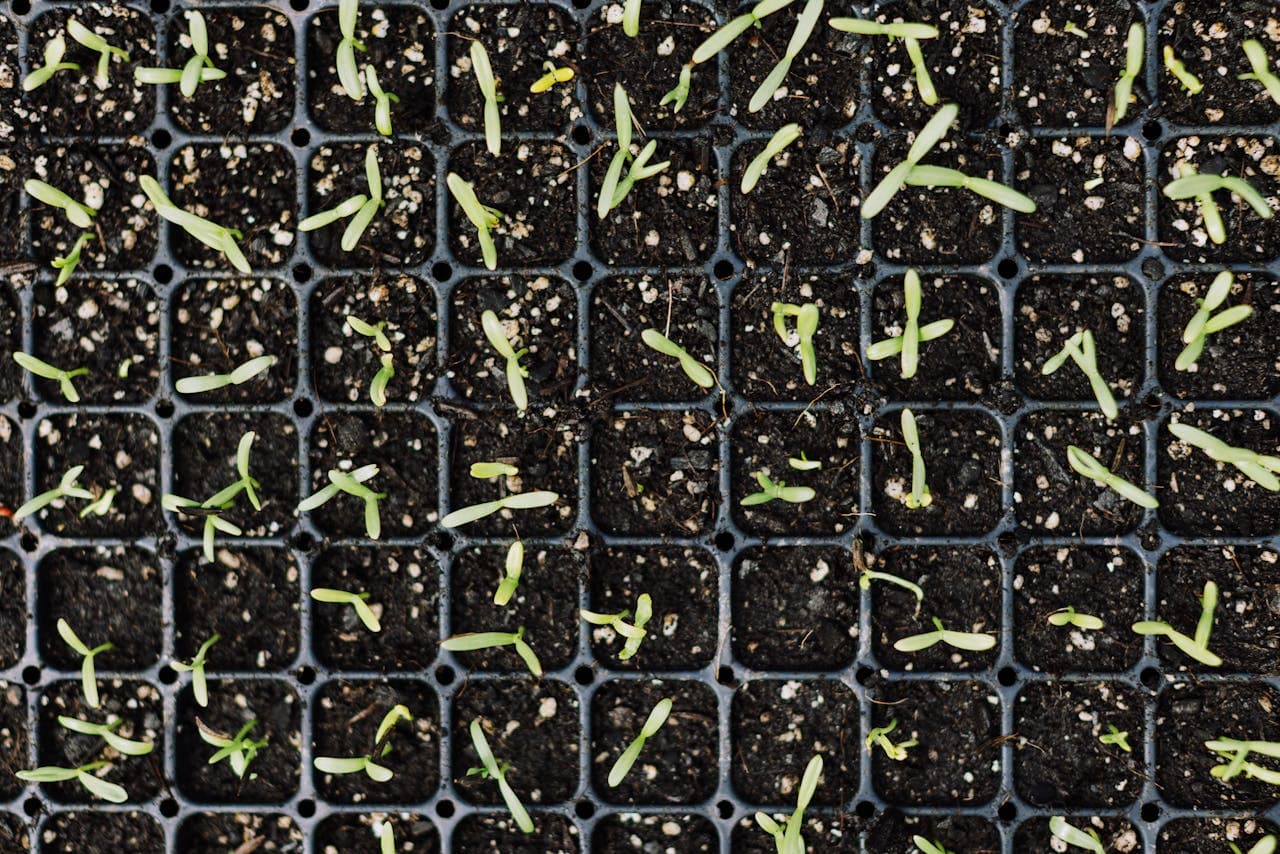
- Direct-sow: Plant seeds 1 cm deep, 5 cm apart in rows 60 cm apart. Thin to final spacing once seedlings have 4–5 true leaves.
- Transplants: Set out hardened-off transplants on an overcast morning. Bury slightly deeper than they sat in the cell — up to the first set of true leaves.
- Spacing: Cabbage and broccoli at 45 cm; cauliflower at 50 cm; Brussels sprouts at 60 cm.
- Water in well and apply 5 cm of mulch once soil has warmed.
Cabbage moth defence
The single most important task in growing brassicas is keeping cabbage moths off your plants. Once the green caterpillars are eating leaves, you’re losing the harvest fast. Two reliable defences:
- Insect netting / row cover. Lay lightweight floating row cover over the bed at planting and leave it on until harvest (broccoli, cabbage) or remove just before head formation. The cover lets light and water through but keeps moths off entirely. This is the gold standard.
- Bt (Bacillus thuringiensis) spray. A bacterial spray that kills caterpillars but is harmless to humans, pets, bees, and beneficial insects. Spray weekly once you see white moths flying. Sold as “Bt-K” or “Caterpillar Killer” at garden centres.
Hand-picking caterpillars works on a small scale but you have to do it daily — one missed day and an entire cabbage head can be hollowed out.
Watering and feeding
Brassicas need consistent moisture — 2.5–4 cm per week. Drought stress at heading time produces tiny heads and loose, leafy cabbages. Side-dress with compost or fish emulsion when heads start forming for a final push.
Variety picks
- Cabbage — Early Jersey Wakefield: Pointed-head heritage, 60 days, cold-hardy.
- Cabbage — Storage No. 4: Round, dense, stores 4–5 months.
- Broccoli — Calabrese: Heritage open-pollinated, big central head plus side shoots.
- Broccoli — Belstar F1: Modern hybrid, very reliable in Alberta’s heat fluctuations.
- Cauliflower — Snow Crown F1: Most reliable cauliflower for Alberta. Self-blanching wrapper leaves.
- Brussels sprouts — Diablo F1: 110 days, frost-sweetened in October. Worth the long wait.
Harvesting
Broccoli: Cut the central head when buds are tight and dark green, before any yellow shows. Side shoots will keep producing for another 4–6 weeks. Cabbage: Heads ready when firm to the touch. Cut at the base; some varieties will produce small secondary heads from the stump. Cauliflower: Cut when the head is full-size and curds are still tight and white. Once curds start to separate it’s past prime. Brussels sprouts:Pick from the bottom up as sprouts size to 2–3 cm. Frost makes them dramatically sweeter — wait if you can.
Found this useful? Share it with someone who'd enjoy it.
Want to learn more?
Explore more plant care guides or find a nursery near you.
More plant care guides
Newsletter — early list
Get on the early list
We're putting together a slow, seasonal newsletter for prairie plant lovers. Drop your email and we'll send the first issue when it goes out. No filler, easy out.
Get on the list