Frost-Sweetened Roots & Kale: Why Late Harvest is Better
Quick Care Summary
One of the privileges of gardening in Alberta is that some of our best vegetables are at their peak in October, when most other gardens have shut down. Carrots, parsnips, kale, Brussels sprouts, and parsley actually get sweeter after frost — not just slightly better, but transformed. The plants convert stored starches to sugars as a natural antifreeze, and the result is unmistakable.
What’s actually happening
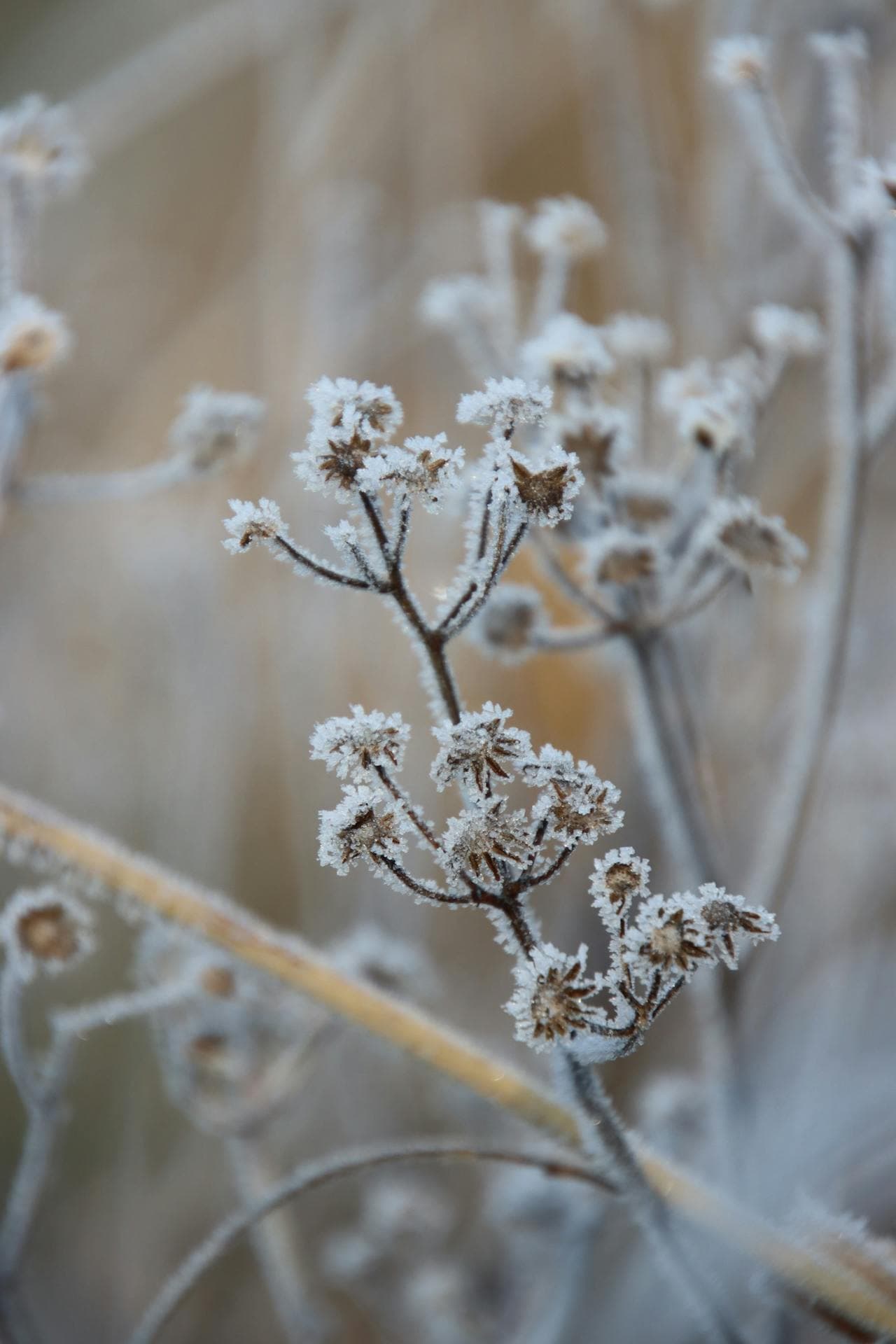
When temperatures drop below freezing, plants face a problem: ice crystals forming inside cells rupture the cell walls and kill the tissue. Cold-hardy plants get around this by pumping sugars into their cells. Sugar lowers the freezing point of water (the same way salt does on roads) and prevents ice formation at temperatures the plant can tolerate.
The starches that become sugars come from the plant’s storage reserves — in carrots, that’s the root itself; in kale, the leaves; in Brussels sprouts, the developing buds. The result: the parts you eat get measurably sweeter.
Crops worth waiting for
- Parsnips: The most dramatic frost-sweetening of any vegetable. Pre-frost parsnips taste fine but starchy; post-frost parsnips taste like a different vegetable. Many gardeners deliberately overwinter parsnips and dig them in March, the sweetest of all.
- Carrots: Substantial improvement after 2–3 hard frosts. Storage carrots harvested before frost are good; carrots left for a few October frosts are noticeably better. Worth leaving in the ground until late October if mulched.
- Kale: The bitterness backs off entirely after frost; texture stays tender. Lacinato and curly kale both improve dramatically. The kale you harvest in late October from a frosted bed is the best kale of the year.
- Brussels sprouts: Bitter and cabbage-y before frost; sweet and nutty after. A handful of frosts is the difference between “Brussels sprouts are okay” and understanding why people love them.
- Parsley: Holds late, sweetens slightly, and stays usable through November under light cover.
- Leeks and Swiss chard: Modest sweetening but excellent cold-tolerance — harvest into November.
Crops that are worse after frost
Not everything benefits. Lettuce gets bitter and stringy after hard frost. Spinach is okay through light frost but goes mushy after several. Radishes turn pithy and split. Beets get woody if left in cold soil too long — harvest mid-October at the latest, before deep cold.
Extending the harvest with mulch
For root crops, a deep straw mulch (30–45 cm) over the bed extends the harvest window dramatically. The mulch insulates the soil so it stays unfrozen long after the surrounding ground is locked up. You can dig carrots and parsnips through holes in the mulch into November or even December, depending on the year.
Apply the mulch in mid- to late October, after the first hard frosts but before the ground freezes solid. Pull mulch back as you harvest, replace to keep the rest of the row covered. In a mild year, parsnips overwintered under deep mulch are dug in March or early April.
Cold frames and row cover for greens
Kale and parsley under floating row cover or a cold frame can produce well into November. The cover provides 3–5 degrees of additional protection — enough to add 4–6 weeks to the harvest window in a normal Alberta autumn. Brussels sprouts don’t need protection; they handle hard frost in the open. Pick from the bottom up as buds size to 2–3 cm.
Harvest from frozen soil
By December the ground is usually frozen solid in Alberta. Carrots and parsnips left under heavy mulch can sometimes be dug through frozen soil with a spade, but it’s slow work. The practical limit is when the ground freezes hard enough that mulch doesn’t prevent it. After that, anything still in the ground waits until spring — some parsnips overwintered under deep mulch are intact in March, but it’s a gamble.
Found this useful? Share it with someone who'd enjoy it.
Want to learn more?
Explore more plant care guides or find a nursery near you.
More plant care guides
Newsletter — early list
Get on the early list
We're putting together a slow, seasonal newsletter for prairie plant lovers. Drop your email and we'll send the first issue when it goes out. No filler, easy out.
Get on the list