Direct-Sowing Carrots & Parsnips in Alberta
Quick Care Summary
Carrots and parsnips are root crops that punish lazy soil prep and reward patience. Get the soil right, get the seed moist for the long germination period, and you’ll have months of sweet roots from one planting. Get either part wrong and you’ll get a row of stunted, forked, hairy roots that taste of nothing.
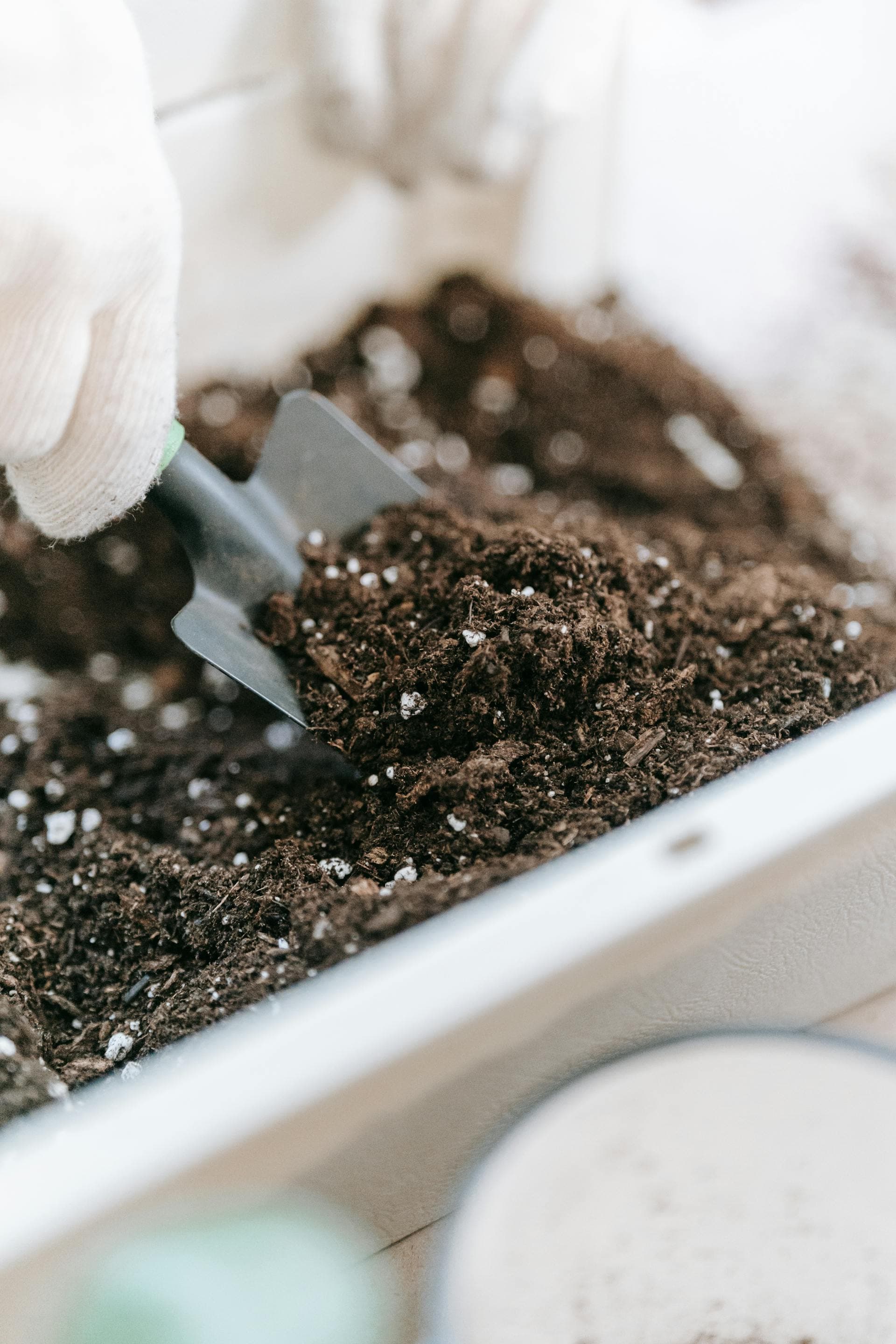
Soil prep matters more than anything else
Both crops grow long taproots — 15–30 cm down for full-size carrots, 30–45 cm for parsnips. They need loose, stone-free, evenly-textured soil. Heavy clay forces roots to fork; recently-manured soil makes them split into multiple twisted roots; rocks divert them sideways.
Best results come from beds that have been double-dug or worked deeply with compost the previous fall. If your soil is heavy or rocky, build a raised bed 30 cm deep and fill it with sandy loam or a 50/50 mix of compost and topsoil — or grow short stumpy varieties (Paris Market, Chantenay) that don’t need the depth.
When to plant
Carrots: as soon as the soil can be worked, mid-April to late May. They tolerate cold soil and germinate (slowly) at 7°C. Parsnips: same window. Both can be sown again in late June for fall harvest, but the spring crop is bigger and sweeter.
Use only fresh seed. Carrot and parsnip seed loses viability fast — 2 years for carrots, 1 year for parsnips. Old seed is the most common reason “no carrots came up.”
The germination problem
Carrot seed takes 14–21 days to germinate. Parsnip takes 18–28 days. During that whole window the seed must stay moist, on or near the surface, in a soil crust that can dry out fast on a sunny May day. Many failed carrot rows are simply rows where the seed dried out at day 7 and gave up.
The fix: cover the seeded row with a damp board, burlap, or row cover for the first 10–14 days. Check daily; remove the moment you see the first sprouts. Or sow radishes in the same row at 5 cm spacing — the radishes germinate in 4 days and mark the row for watering. By the time you harvest the radishes, the carrots are up and going.
How to plant
- Make shallow furrows 5–8 mm deep, 30 cm apart.
- Sow seeds as thinly as possible — 2–3 seeds per cm. The seed is tiny; pelleted seed is worth the small extra cost for spacing accuracy.
- Cover with vermiculite or fine soil — never crust-forming clay over the seed.
- Water gently, keep moist, cover with the board/burlap trick.
- Thin twice: once when seedlings reach 5 cm tall (to 2.5 cm spacing) and again at 10 cm tall (final 5 cm for carrots, 10 cm for parsnips).
Watering & mulching
Once established, both crops want consistent water — 2.5 cm per week. Big swings between dry and wet cause splits and forked roots. Mulch with straw or grass clippings once seedlings are 10 cm tall to even out moisture and keep soil temperature steady.
Variety picks
- Carrot — Nantes / Bolero: Cylindrical, sweet, crisp. The benchmark home-garden carrot.
- Carrot — Napoli: Early Nantes-type, 55 days. Reliable in short seasons.
- Carrot — Paris Market: Round, 5 cm. Excellent for heavy clay or container growing.
- Carrot — Yaya: Storage-quality Nantes. Stores 4–6 months in damp sand.
- Parsnip — Hollow Crown: Long, sweet heritage variety. Frost-sweetened in October is unforgettable.
- Parsnip — Albion F1: Modern, smooth-skinned, canker-resistant. Good for heavier soils.
Harvesting and storing
Carrots: start pulling baby carrots at 60 days. Full size at 70–80 days. Both leave in the ground and pull as needed; the cold soil is a perfect refrigerator. Parsnips: don’t harvest until after the first hard frost — cold converts starches to sugars and transforms parsnips from passable to extraordinary. Many gardeners overwinter parsnips and dig them in March, the sweetest of all.
For storage: trim tops to 2 cm, brush off (don’t wash) loose soil, and pack in damp sand or sawdust at 0–4°C. Carrots last 4–6 months, parsnips 4–5.
Found this useful? Share it with someone who'd enjoy it.
Want to learn more?
Explore more plant care guides or find a nursery near you.
More plant care guides
Newsletter — early list
Get on the early list
We're putting together a slow, seasonal newsletter for prairie plant lovers. Drop your email and we'll send the first issue when it goes out. No filler, easy out.
Get on the list