Bee Balm
Monarda didyma
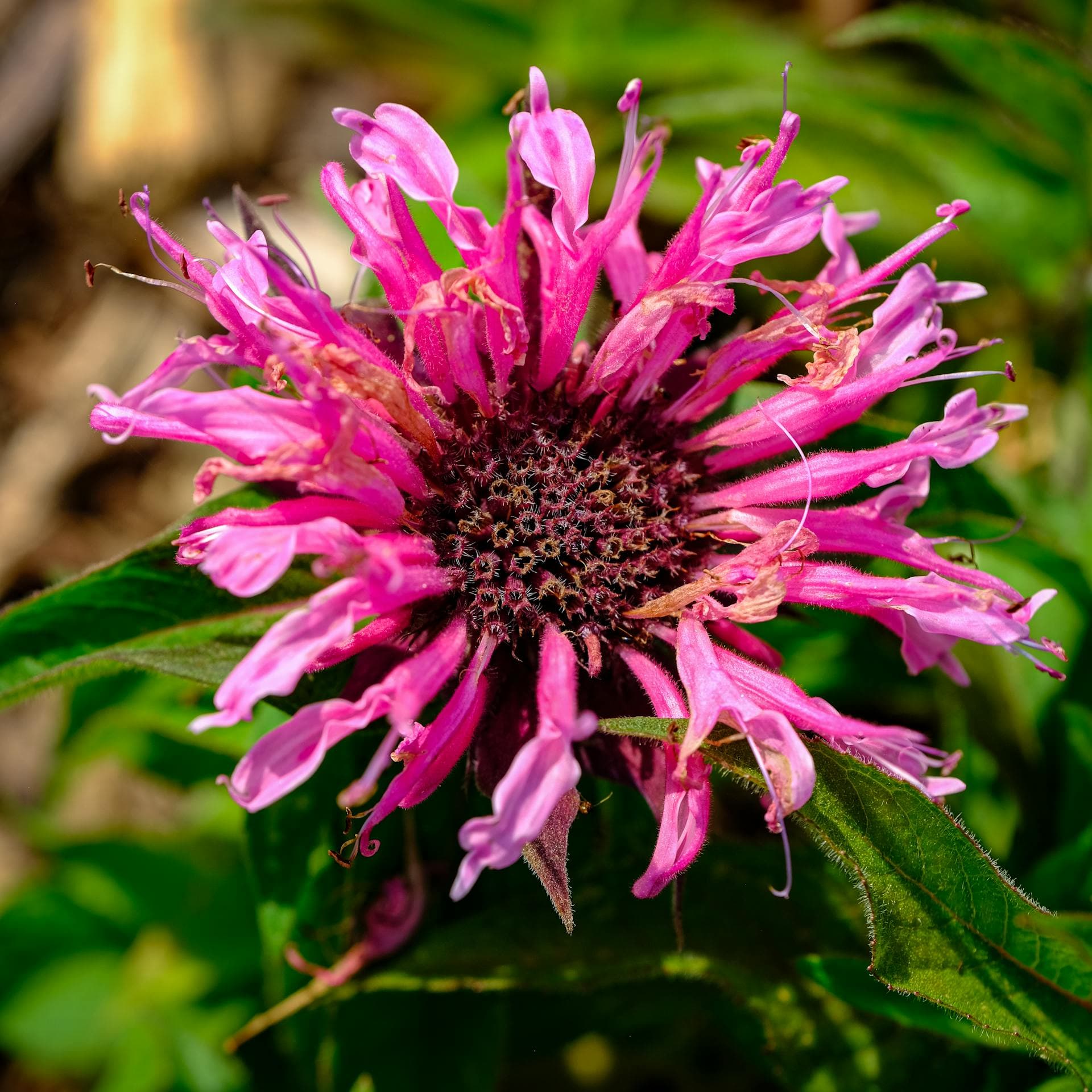
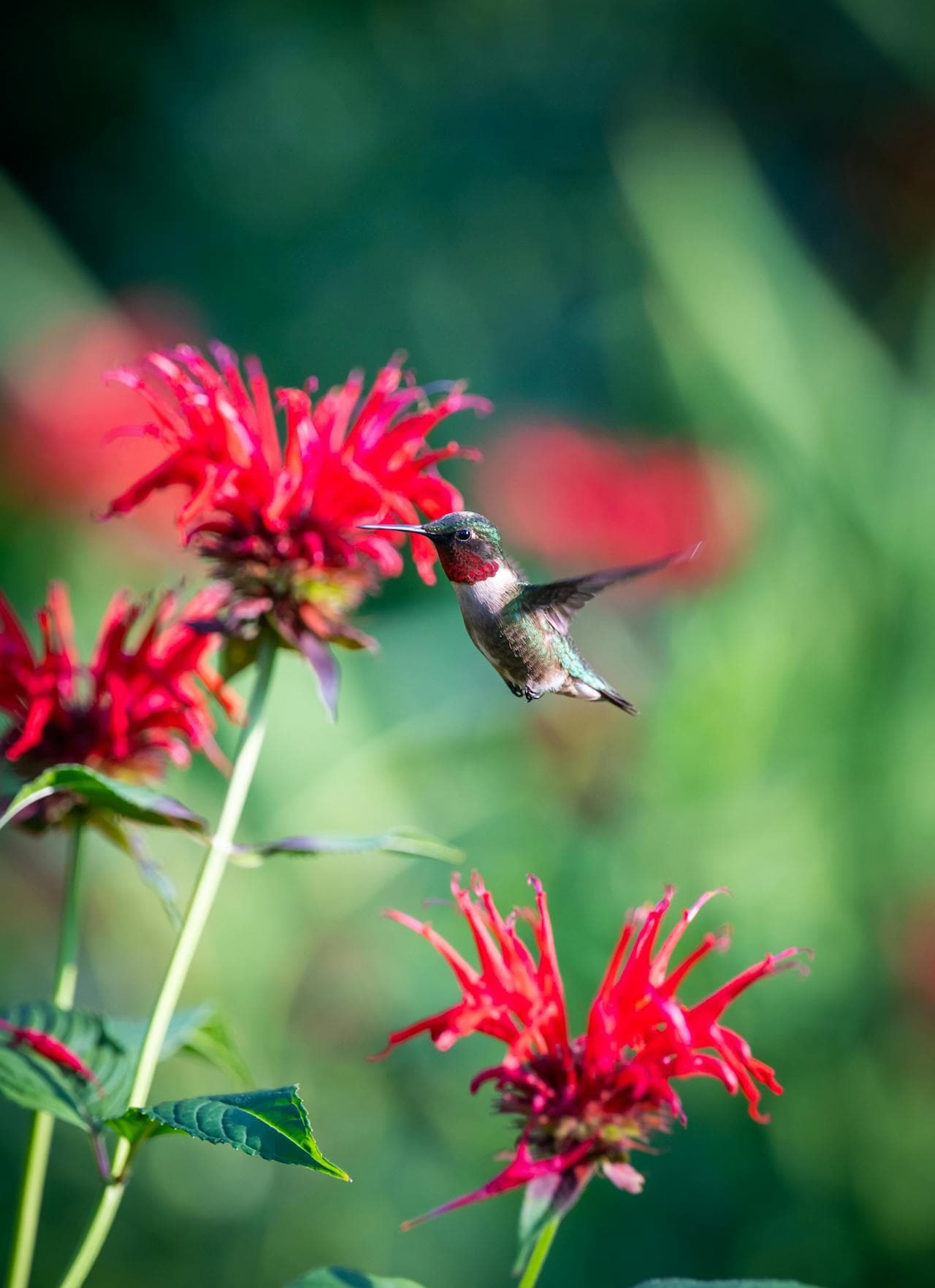
Bee Balm is the cultivated cousin of Alberta's native Wild Bergamot (Monarda fistulosa, profiled separately in this catalogue). Native to eastern North America rather than the prairies, Monarda didyma was prized by the Oswego Iroquois as a tea and is sometimes called Oswego Tea. Brilliant scarlet, magenta, pink, or purple shaggy flower heads top minty-scented foliage from July through August, drawing in hummingbirds, bumble bees, and butterflies. Reliably hardy in Edmonton (Zone 4a) when planted in good soil and given decent airflow. Mildew-resistant cultivars are widely available now and are strongly recommended; older varieties can suffer badly in our humid late summers. Look for 'Jacob Cline' (red, very mildew-resistant), 'Marshall's Delight' (pink, bred at Agriculture Canada Morden, excellent for prairies), 'Raspberry Wine' (deep magenta), and 'Pardon My Cerise' or 'Pardon My Pink' (compact, container-friendly). The leaves brew a strong oregano-thyme tea.
Quick Facts
Distribution
Garden perennial in Alberta. Native to eastern North America. Hardy to Zone 4 (reliable in Edmonton); some cultivars hardy to Zone 3.
Light
Full sun to part shade. In Edmonton, full sun gives the strongest bloom but afternoon shade reduces mildew risk.
Bloom Time
July–August, sometimes into September with deadheading
Soil
Rich, evenly moist, well-drained loam. Edmonton's Black Chernozem is ideal. Tolerates clay if amended with compost and not allowed to bake dry.
Water
Moderate, consistent. Bee Balm wilts visibly in dry spells and recovers quickly when watered. Mulch helps stabilize moisture and reduces stress that triggers powdery mildew.
Growing & Cultivation
Best Planting Time
Plant out from nursery pots late May to early June. Spring division also works at this time.
Propagation
Spring division every 3 to 4 years to keep clumps vigorous (the centre of an old clump dies out). Stem cuttings root readily in summer. Seed propagation is possible but cultivar traits will not come true.
Pruning / Splitting
Cut spent flower stems back to a fresh side bud to encourage a second flush. Cut entire plant to the ground after killing frost (or leave standing for winter interest and bird seed). In humid conditions, thin crowded stems in early summer to improve airflow against mildew.
Spacing
45 to 60 cm. Bee Balm spreads by rhizomes and forms ever-wider clumps; divide every few years or contain it.
Always verify plant identification with multiple sources before consuming any wild plant. This information is for educational purposes only.