Snowberry
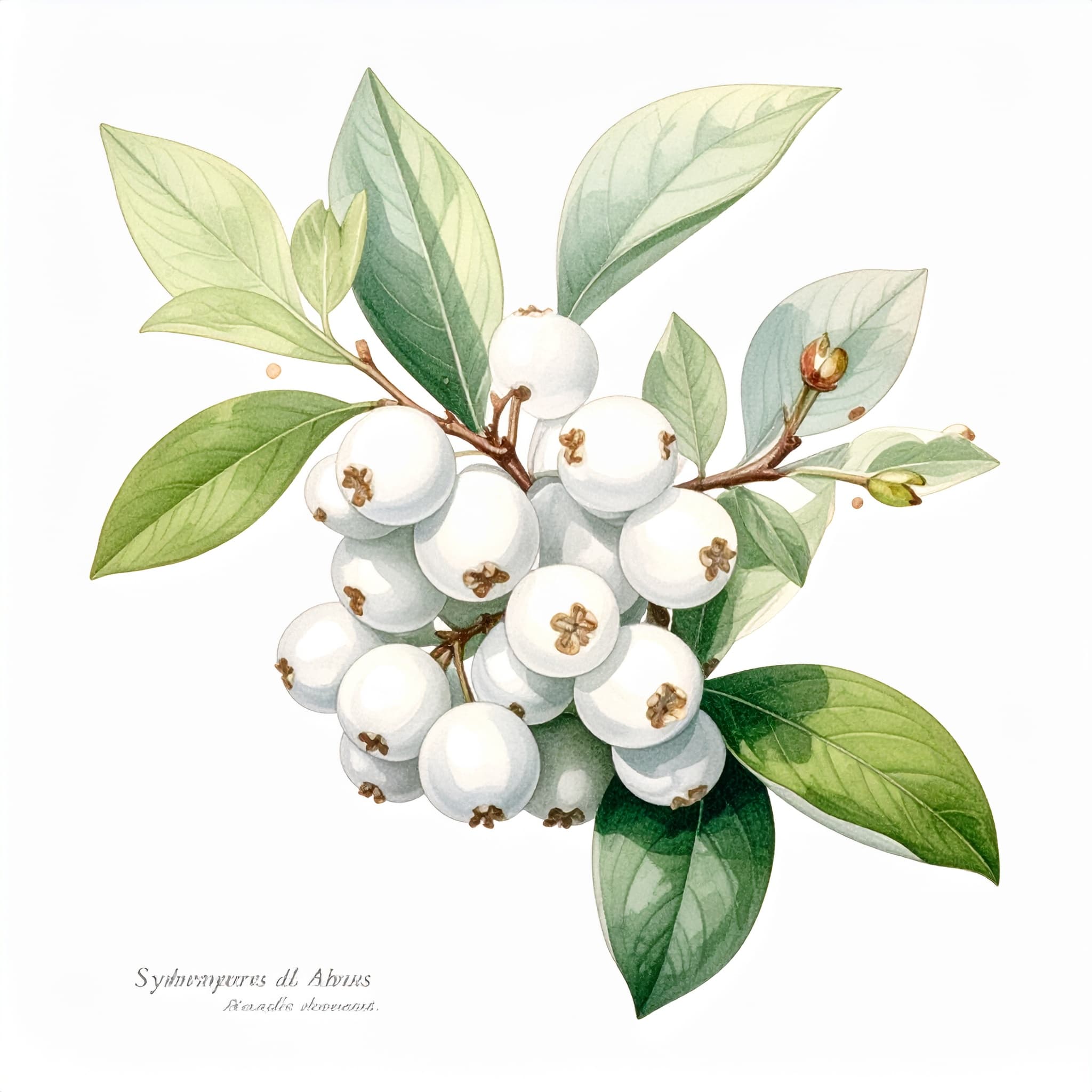
Symphoricarpos albus
Clusters of waxy white berries persisting into winter. Berries are mildly toxic to humans and pets but provide critical winter food for birds and small mammals. Small pink tubular flowers are excellent for bees in summer. A low-maintenance native shrub that forms colonies — ideal for shaded slopes, erosion control, and wildlife gardens.
Quick Facts
Distribution
Province-wide, Zone 2
Light
Part shade
Bloom Time
June–Aug
Soil
Tolerates a wide range — dry rocky to moist clay
Water
Low to moderate; very drought-tolerant
Growing & Cultivation
Propagation
Easiest by division of rhizome suckers in spring. Hardwood cuttings in late fall also root well. Seed requires warm stratification (2–3 months) followed by cold stratification (3–4 months).
Always verify plant identification with multiple sources before consuming any wild plant. This information is for educational purposes only.