Tomato
Solanum lycopersicum
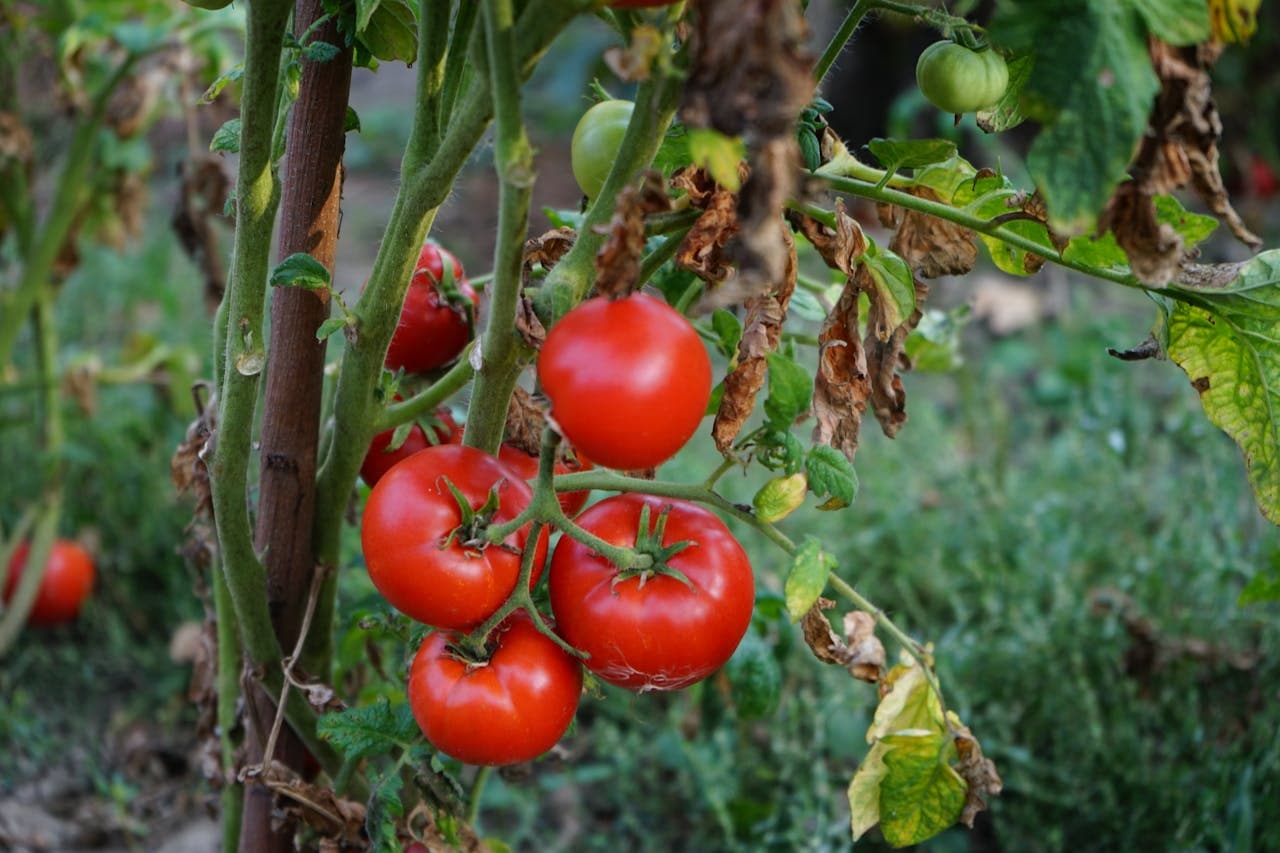
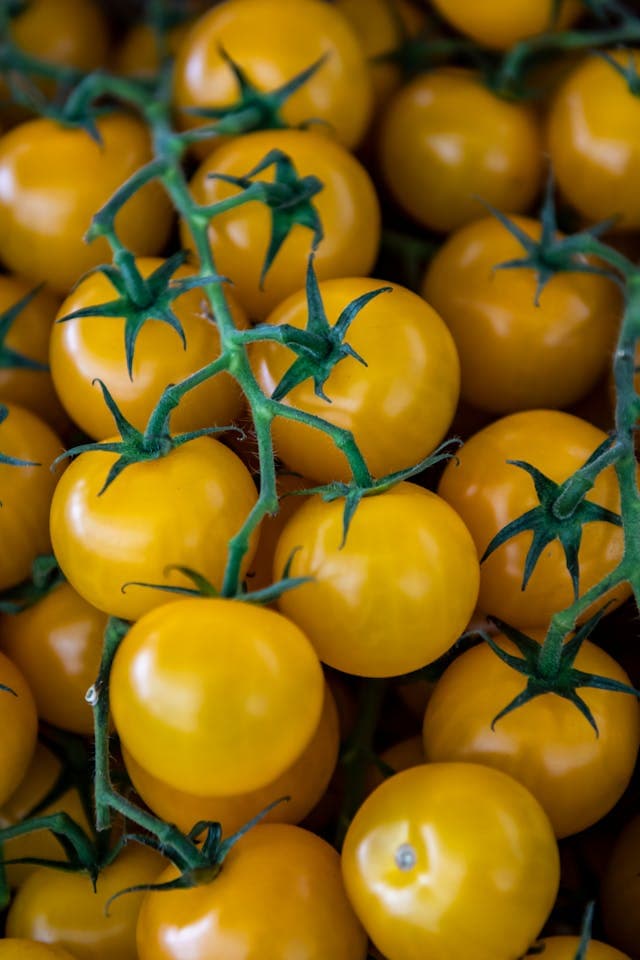
Tomatoes are the most-grown vegetable in Alberta backyards despite the climate: short, intense summers force prairie tomato growers to be strategic. The biggest decision is choosing varieties bred or proven for short seasons: Manitoba (open-pollinated, prairie-bred, 60 days), Sub-Arctic Plenty (45 to 55 days, cold-tolerant), Stupice (50 to 55 days, Czech heirloom), Tumbler (cherry, container-friendly), Sweet Million and Sungold (60 to 65 days, prolific cherry tomatoes), and Early Girl (60 days, classic slicer). Anything over 75 days to maturity is a gamble in Edmonton; over 85 days is essentially impossible without a greenhouse. Start seed indoors 6 to 8 weeks before last frost (late March to early April in Edmonton). Plant out only after the soil is genuinely warm (15 C; usually late May to early June, after the May long weekend). Bury 2/3 of the stem at planting; the buried stem grows roots and produces a stronger plant. The two most common Edmonton tomato problems are blossom-end rot (uneven watering causing calcium uptake failure; cure with consistent deep watering and mulch) and blossom drop in extreme heat (above 32 C; varieties differ in heat tolerance).
Quick Facts
Distribution
Summer annual across Alberta. Native to the Andes (Peru, Ecuador); domesticated in Mesoamerica.
Light
Full sun. Minimum 8 hours direct sun for full production.
Bloom Time
Yellow flowers from June through September; flowers convert to fruit
Soil
Rich, deep, well-drained loam with high organic content. Compost or aged manure at planting. Slightly acidic to neutral pH (6.0 to 7.0).
Water
Moderate to high. Consistent deep watering (one or two long sessions per week) is far better than frequent shallow water. Mulch heavily after the soil warms. Erratic watering is the leading cause of blossom-end rot.
Growing & Cultivation
Best Planting Time
Indoor seed starting late March to early April. Transplant outdoors late May to early June, after the soil is reliably 15 C and last frost is past.
Propagation
Start from seed indoors under lights, transplant up as plants outgrow pots, harden off for 10 days before planting out. Open-pollinated varieties save true from seed; hybrids do not. Suckers (side shoots) can be rooted in water to produce additional plants mid-season.
Pruning / Splitting
Indeterminate varieties benefit from removing suckers (the side shoots that form in leaf axils) and from staking or caging. Determinate varieties (bush types) need no pruning. In late August, top all plants by removing the growing tips: this stops new flower production and redirects energy into ripening existing fruit before frost.
Seed Collection
Scoop seed from a fully ripe heirloom (open-pollinated) tomato into a jar with a splash of water. Let ferment 3 to 5 days (the gel coating dissolves), rinse seed clean, dry on paper towel, store in an envelope. Germination remains strong for 5 to 7 years.
Spacing
45 to 60 cm for determinate varieties, 60 to 90 cm for indeterminate varieties on stakes or in cages.
Always verify plant identification with multiple sources before consuming any wild plant. This information is for educational purposes only.