Pest Scouting for Alberta Gardens: Aphids, Cabbage Moths, Late Blight & More
Quick Care Summary
A weekly fifteen-minute walk through the garden, looking carefully, catches pest and disease problems while they’re still small enough to handle. Once aphids have built up to clusters of hundreds, or late blight has moved through a tomato bed, you’re no longer preventing damage — you’re managing it. Scout early, scout consistently, and most years you can stay ahead.
How to scout
Walk the garden weekly. Late afternoon is best — light is warm, plants aren’t wet, and pest activity is visible. Stop at each crop and look at:
- Undersides of leaves (where most pests live and lay eggs).
- The base of stems and around the soil line.
- Flowers and developing fruit.
- Any leaf that looks even slightly off — yellow patches, curling, holes, sticky residue.
Aphids
Tiny soft-bodied insects (1–3 mm), green or black, clustered on new growth, undersides of leaves, or flower buds. Sticky residue on leaves and stems (called honeydew) is a telltale sign. Common on roses, brassicas, lettuce, and many ornamentals from May onward.
Control:A strong jet of water from the hose knocks them off — surprisingly effective. For heavier populations, spray with insecticidal soap (sold at any garden centre) on cool overcast days. Lacewings, ladybugs, and parasitic wasps eat aphids; avoid broad-spectrum pesticides that kill these beneficials.
Cabbage moths and their caterpillars
The white butterflies fluttering through the garden in May and June are laying eggs — usually on the undersides of brassica leaves. The eggs hatch into small green caterpillars (cabbageworms) that eat broccoli, cabbage, kale, cauliflower, and Brussels sprouts. Damage shows as ragged holes, often with green frass (caterpillar droppings) nearby.
Control:Floating row cover from planting to harvest is the most reliable defence. Bt-K (Bacillus thuringiensis) spray weekly on infested plants kills caterpillars without harming bees or beneficials. Hand-picking works on small scale. Start watching the moment you see white moths in the garden — eggs are being laid that day.
Late blight
A fungal disease (Phytophthora infestans) that hits tomatoes and potatoes in cool, wet weather, usually August in Alberta. Symptoms: brown-black blotches on leaves with white fuzz on the undersides, dark lesions on stems, and rotting fruit. Once it’s established, it spreads fast and can wipe out a tomato bed in a week.
Prevention:Mulch heavily (prevents soil splash — the main vector), water at the base only (never overhead), space plants for air flow, remove and dispose of (don’t compost) any infected leaves immediately. Copper-based fungicides applied preventively in cool wet weather slow it. Once the upper part of a plant is heavily infected, pull and dispose of the whole plant.
Powdery mildew
White powdery patches on leaves, especially upper surfaces of squash, cucumbers, peas, and bee balm. Common in late summer when nights cool but days stay warm. Less destructive than late blight but disfiguring and reduces yields.
Control: Spray weekly with a 1:9 mix of milk and water, or potassium bicarbonate solution (1 tsp per litre). Both raise leaf-surface pH enough to inhibit the fungus without harming the plant. Remove badly affected leaves. Plant resistant varieties next year.
Slugs
Mostly a problem in wetter pockets of Alberta. Silver slime trails and ragged-edged holes on lettuce, hostas, basil, and brassicas, especially after rain or heavy watering. Active at night and on overcast days.
Control:Iron phosphate slug bait (Sluggo, Safer’s) is effective and safe around pets and wildlife. Beer traps work for dedicated gardeners. Reducing dense mulch around vulnerable plants helps. Pull mulch back from lettuce in particular.
Flea beetles
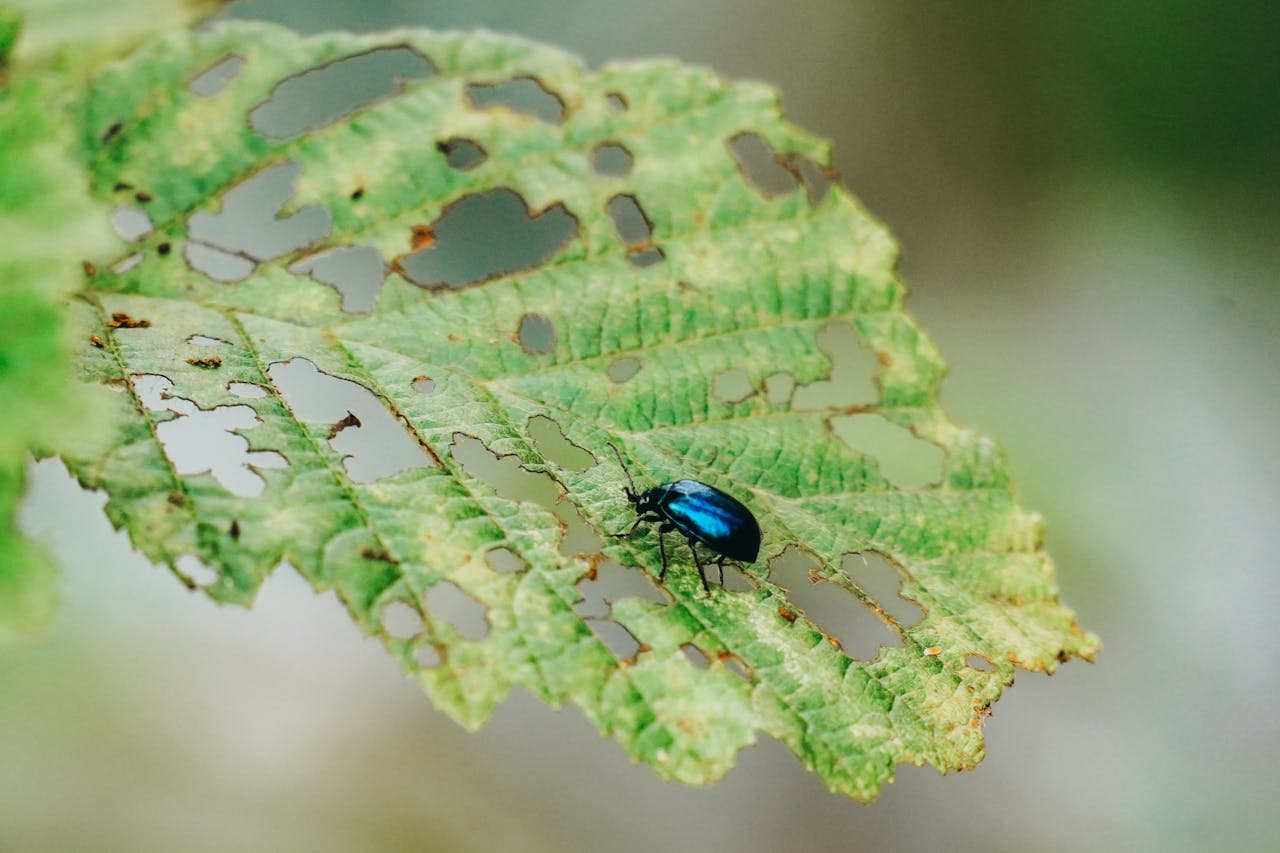
Tiny black beetles that jump like fleas when disturbed. They pepper leaves with small round holes, especially on Asian greens, radishes, eggplant, and young brassicas. Worst in May and early June.
Control:Floating row cover at planting prevents them entirely. Once established, neem oil sprays in the evening reduce numbers. Most plants outgrow flea beetle damage once they’re past the seedling stage.
The general principle
Healthy plants in healthy soil resist pests far better than stressed ones. The most effective pest control is good soil, consistent watering, mulch, crop rotation, and varieties suited to your conditions. Spray treatments are a backstop, not a substitute for those fundamentals.
Found this useful? Share it with someone who'd enjoy it.
Want to learn more?
Explore more plant care guides or find a nursery near you.
More plant care guides
Newsletter — early list
Get on the early list
We're putting together a slow, seasonal newsletter for prairie plant lovers. Drop your email and we'll send the first issue when it goes out. No filler, easy out.
Get on the list