Prayer Plant
Maranta leuconeura
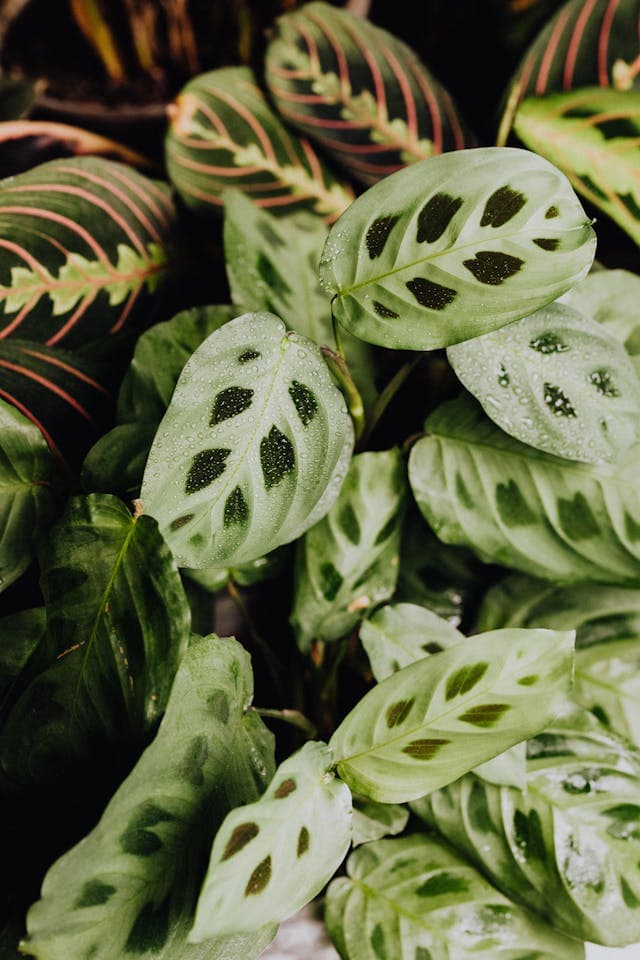
Prayer plant earns its name from a daily ritual: leaves lie flat and outstretched through the day, then fold upward at dusk like hands in prayer (a circadian movement called nyctinasty, driven by water pressure changes in the leaf base). Native to the rainforests of Brazil, prayer plants are striking foliage houseplants: oval leaves marked with intricate patterns of red, cream, dark green, and silver veining that draw immediate attention. Three commonly sold varieties: Maranta leuconeura var. erythroneura (red prayer plant, bright red veins), var. kerchoveana (rabbit's foot, dark green patches on lighter green), and var. leuconeura (white-veined, less common). Notoriously fussy in dry indoor air; the most common Edmonton mistake is treating prayer plants like easy houseplants when they genuinely need humidity (50 percent or above), warmth (above 18 C consistently), and consistent moisture. Often confused with Calathea (now reclassified to Goeppertia), which has similar markings and the same prayer movement. Pet-safe (non-toxic to cats and dogs per ASPCA), making it a good option for households where cat-toxic plants are a concern.
Quick Facts
Distribution
Indoor across Alberta. Native to the rainforests of Brazil.
Light
Medium to bright indirect light. Direct sun scorches the patterned leaves and fades the colour. East- or north-facing windows in Edmonton are ideal.
Bloom Time
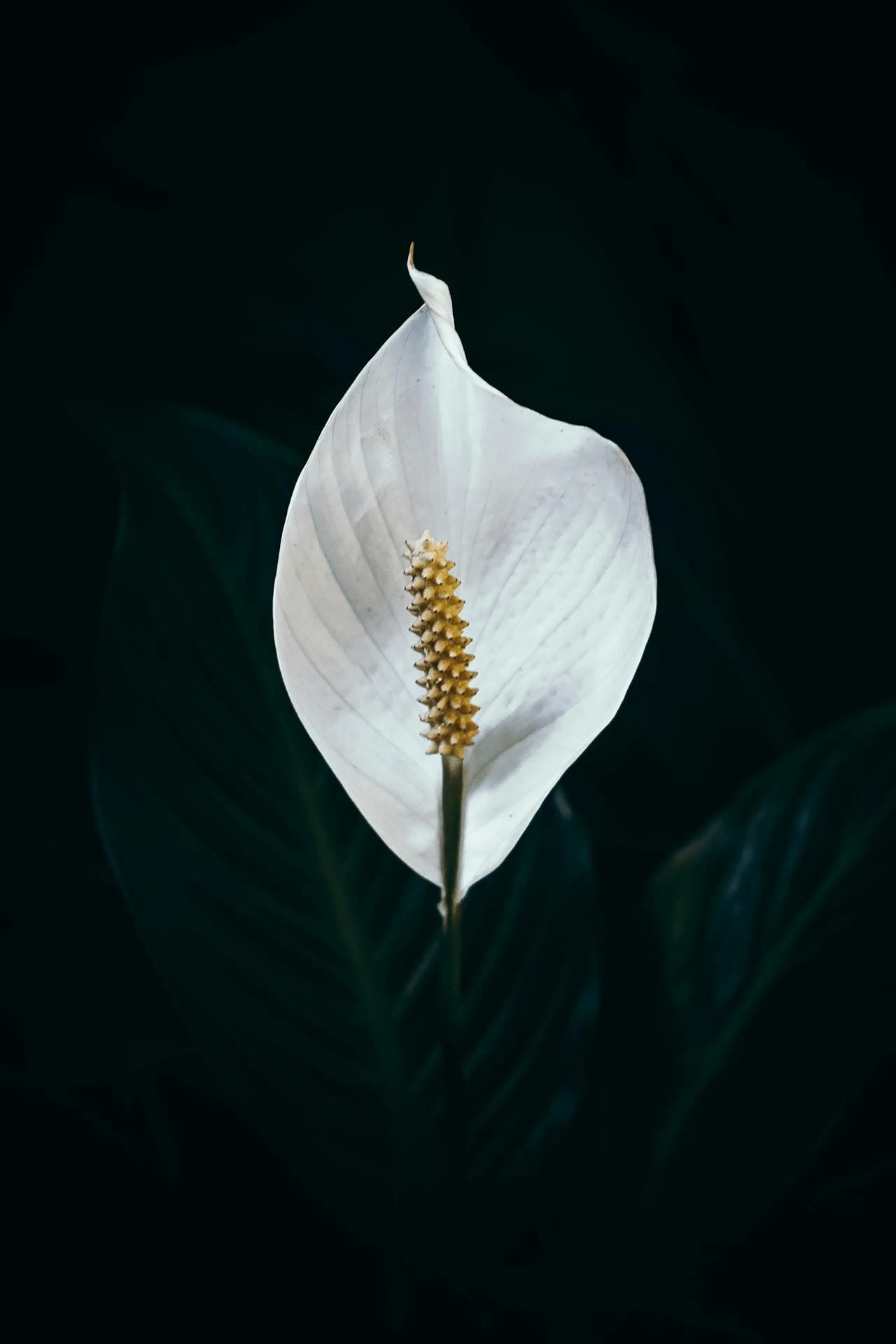
Tiny white flowers, rare indoors
Soil
Light, well-drained, peat-based houseplant mix that holds moisture without compacting. An aroid blend with extra perlite works well.
Water
Moderate to high. Keep soil consistently moist (not soggy) through the growing season. Use room-temperature water; cold tap water from Edmonton's calcium-rich supply causes leaf-tip burn and brown leaf edges. Filtered or rainwater is noticeably better. Reduce water in winter.
Growing & Cultivation
Propagation
Division of root clumps in spring during repotting (every 2 to 3 years). Each section needs roots and at least 2 stems. Stem cuttings root in water in 4 to 6 weeks but are less reliable than division.
Repotting
Every 2 to 3 years in spring. Prayer plants have shallow root systems and prefer wide, shallow pots over deep ones. Refresh soil annually with a top-dress of fresh mix.