Pet-Safe Houseplants: 20+ Non-Toxic Plants for Cats & Dogs
Quick Care Summary
If you’ve ever watched a cat deliberately eat the leaf of a plant you just watered, you know the stakes. Most popular houseplants are more toxic than people realize — Monstera, Pothos, Philodendron, Peace Lily, ZZ Plant, Snake Plant, and Dracaena are all on the ASPCA’s list for dogs and cats. The good news: there are plenty of genuinely non-toxic alternatives that can fill every corner of your home.
Every plant on this list is listed as non-toxic for cats and dogs by the ASPCA Poison Control database as of this writing. “Non-toxic” means the plant shouldn’t cause serious systemic illness if chewed — but large quantities of any fibrous plant can still cause mild GI upset. Supervise pets around new plants regardless.
Pet-safe foliage plants
- Spider Plant (Chlorophytum comosum) — the classic pet-safe pick. Arching striped leaves, easy to grow, forgiving. Cats may chew the leaves for a mild euphoric effect — this is safe, just cosmetic to the plant.
- Boston Fern (Nephrolepis exaltata) — lush arching fronds, loves humidity. Non-toxic and a great bathroom plant.
- Bird’s Nest Fern (Asplenium nidus) — broad apple-green fronds in a rosette. Tolerates lower light than most ferns.
- Cast Iron Plant (Aspidistra elatior) — nearly indestructible dark-green strap leaves. Thrives on neglect and deep shade.
- Calathea Orbifolia (and most other Calathea/Maranta prayer plants) — striped round leaves that fold up at night. Demands humidity.
- Nerve Plant (Fittonia albivenis) — dramatic white, pink, or red vein patterns. Great terrarium plant.
- Peperomia (most species) — compact, textured leaves in many varieties. Peperomia obtusifolia and P. caperata are both pet-safe.
- Haworthia / Zebra Plant (Haworthiopsis fasciata) — small striped succulent, slow-growing, tolerates low light.
- Echeveria (E. elegansand most species) — classic rosette succulents. Needs bright direct sun.
- Burro’s Tail (Sedum morganianum) — trailing succulent with plump blue-green leaves. Leaves drop easily — keep out of reach of playful cats.
Pet-safe flowering plants
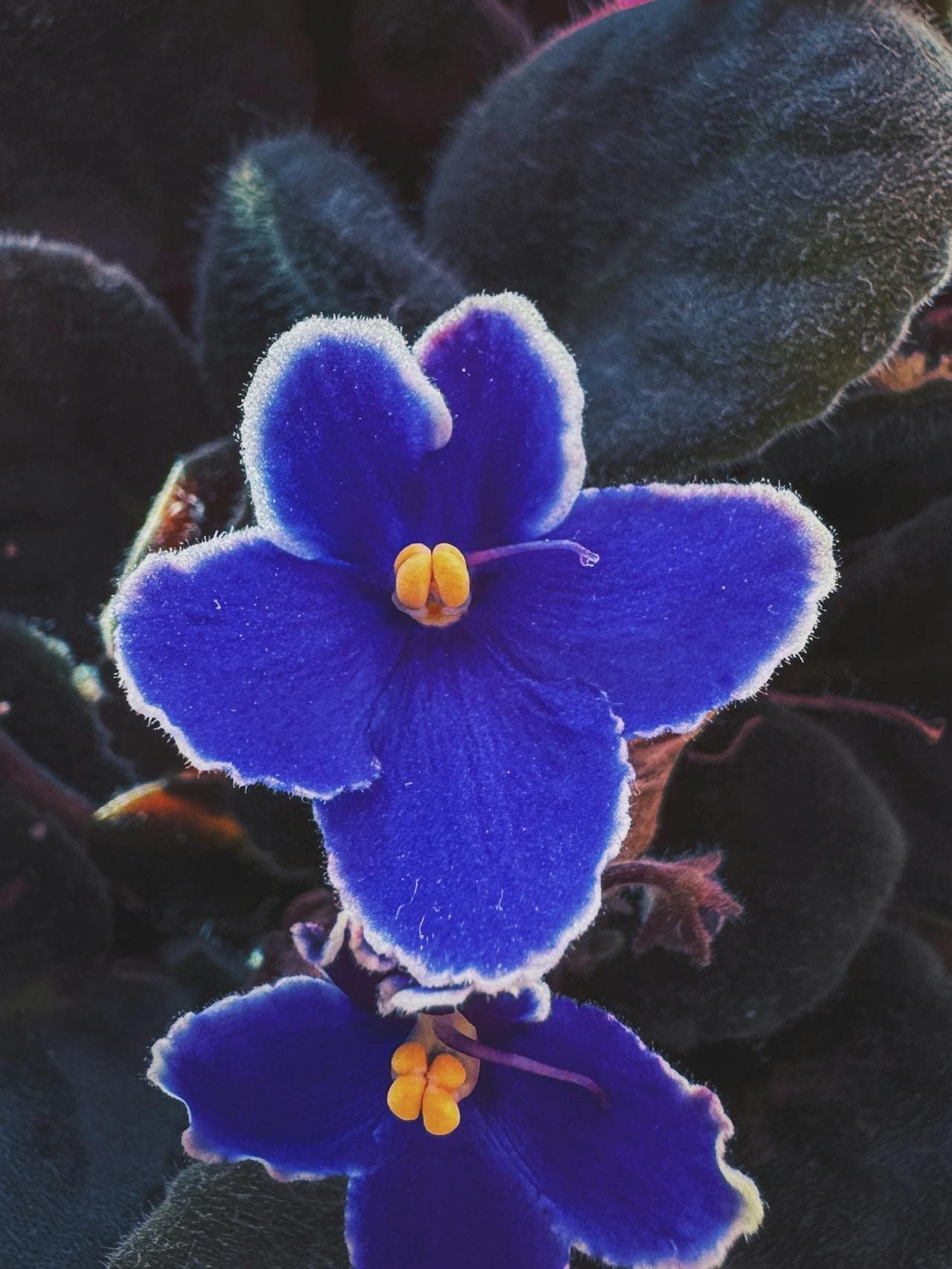
- African Violet (Saintpaulia ionantha) — reliable bloomer on bright windowsills. Classic “grandmother plant” with a modern following.
- Christmas Cactus (Schlumbergera spp.) — blooms in winter when everything else is dormant. Long-lived; heirloom specimens are common.
- Phalaenopsis Orchid (Moth Orchid)— most common orchid in grocery stores. Non-toxic and rebloom with the right care.
- Parlor Palm (Chamaedorea elegans) — produces tiny yellow flowers at maturity. Often mislabelled; many “palms” sold at big-box stores (like Sago Palm) are highly toxic. Verify the Latin name.
- Lipstick Plant (Aeschynanthus radicans) — trailing vines with bright red tubular flowers.
Pet-safe palms & larger statement plants
- Areca Palm (Dypsis lutescens) — the go-to large pet-safe palm. Gracefully arching fronds reaching 2 m indoors.
- Parlor Palm (Chamaedorea elegans) — smaller cousin, tolerates lower light.
- Ponytail Palm (Beaucarnea recurvata) — not actually a palm (it’s related to agaves), but marketed as one. The bulbous base stores water; extremely forgiving.
- Bamboo Palm (Chamaedorea seifrizii) — clump-forming palm, great in a bright corner.
Plants people think are safe but aren’t
These commonly-confused plants are in fact toxic to cats, dogs, or both:
- Peace Lily — not a true lily, but contains calcium oxalate crystals that cause oral pain and vomiting.
- ZZ Plant — reputation for extreme toxicity is overstated, but it does cause oral irritation if chewed.
- Snake Plant (Dracaena trifasciata) — saponins cause drooling and vomiting.
- Aloe Vera — the inner gel is fine, but the yellow latex just under the leaf skin is toxic.
- Monstera, Pothos, all Philodendrons, Dieffenbachia, Alocasia, Anthurium, Caladium — all contain calcium oxalates that cause severe oral pain and swelling.
- Sago Palm — extremely toxic. Liver failure in dogs. Avoid.
- Jade Plant, Kalanchoe, Eucalyptus — all toxic to cats and dogs in various degrees.
The one rule that matters more than any list
All true lilies are lethal to cats. This includes Easter lilies, tiger lilies, daylilies, Asiatic lilies, Oriental lilies — anything in the genus Lilium or Hemerocallis. Even a nibble of a leaf, a lick of pollen from a flower, or drinking the water from a vase can cause acute kidney failure within 48 hours. If you have cats, do not bring true lilies into the house at all — cut arrangements included.
If your pet chews on something you’re unsure about, take a photo of the plant and call the ASPCA Animal Poison Control Center at 1-888-426-4435 (24/7, small consultation fee) or your vet. Time matters for the truly toxic species.
Building a fully pet-safe home
Filter our plant catalogue by Pet Safety to see every species we’ve flagged safe, across houseplants and Alberta natives. When you shop at a garden centre, check the Latin name against the ASPCA database on your phone before you buy — common names overlap and lie (many “palms” and “lilies” in particular). A little upfront diligence saves an emergency vet bill later.
Found this useful? Share it with someone who'd enjoy it.
Want to learn more?
Explore more plant care guides or find a nursery near you.
More plant care guides
Newsletter — early list
Get on the early list
We're putting together a slow, seasonal newsletter for prairie plant lovers. Drop your email and we'll send the first issue when it goes out. No filler, easy out.
Get on the list